
When planning a music concert, choosing the right staging and support system is critical for both safety and visual impact. Two of the most commonly used systems in the industry are truss structures and Layher (ringlock) systems. Each has its own advantages depending on the event scale, load requirements, and design goals.
Understanding the differences between these two systems will help you make the best decision for your concert setup.
What Is a Truss System?
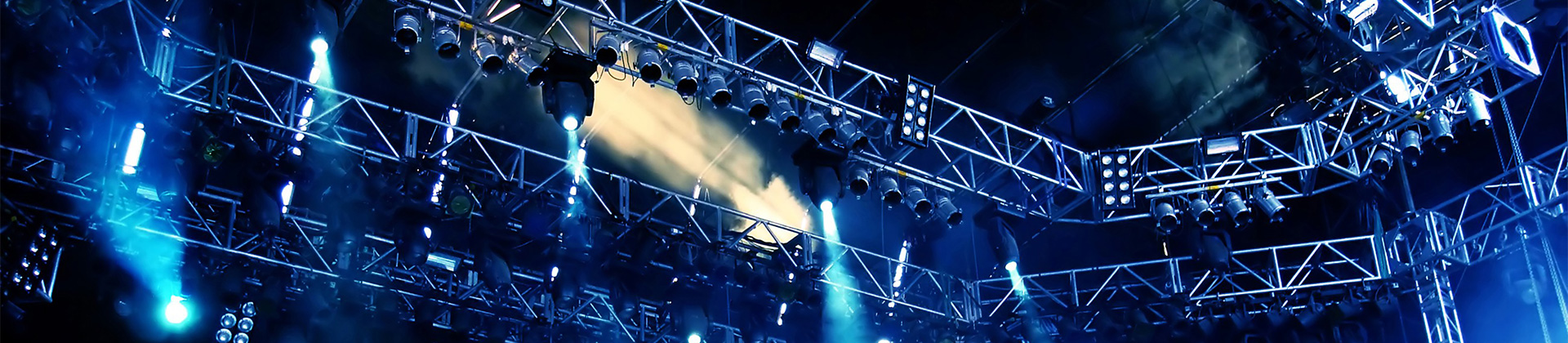
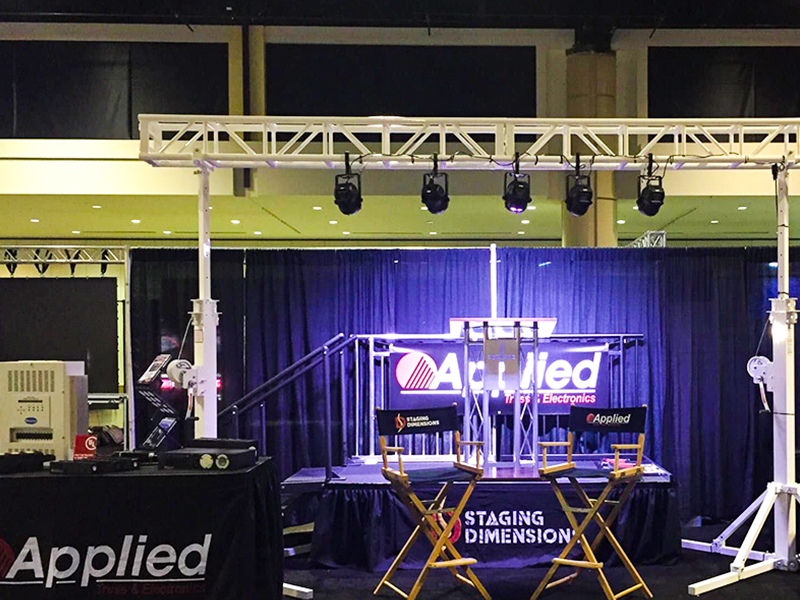
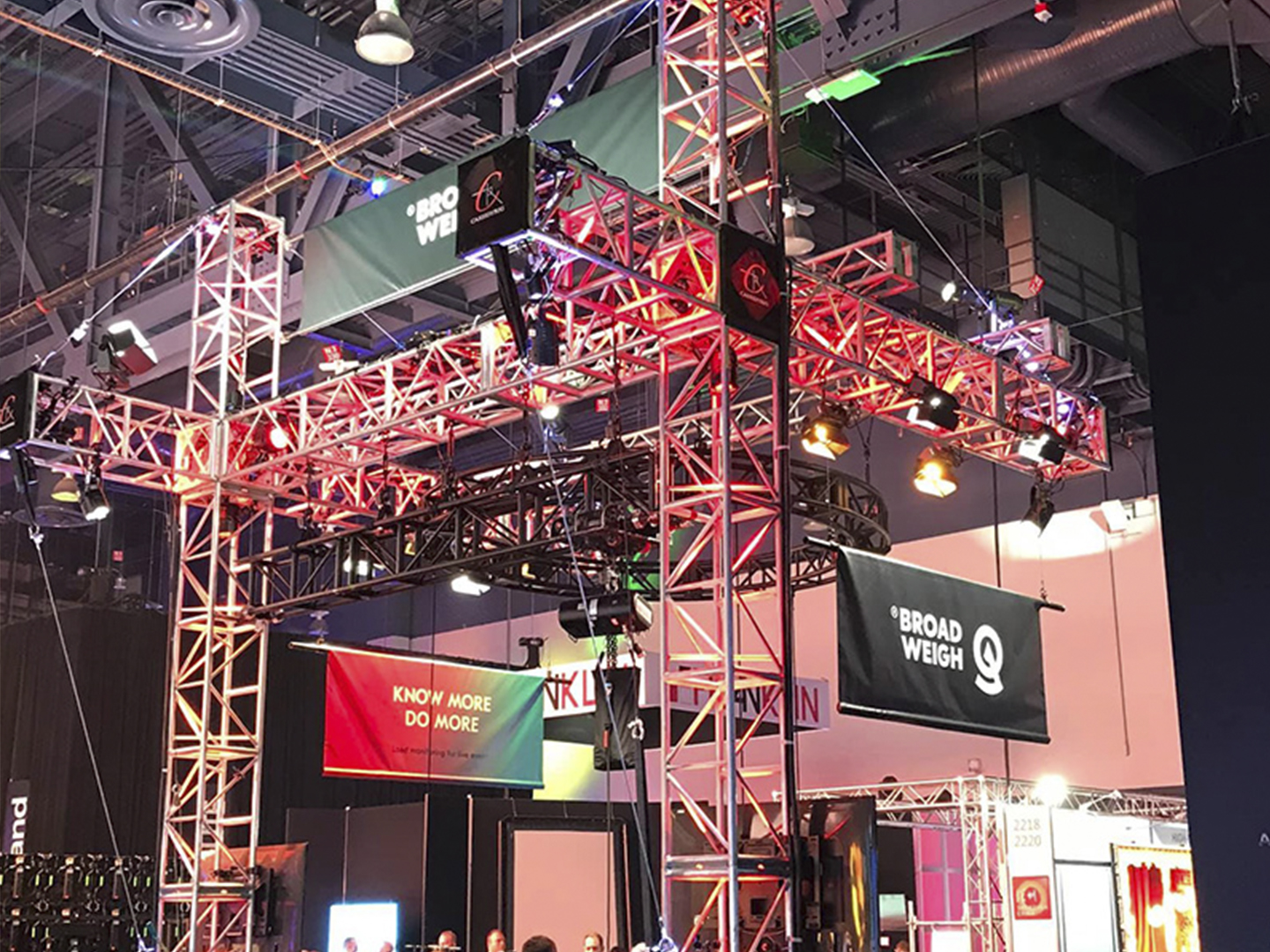
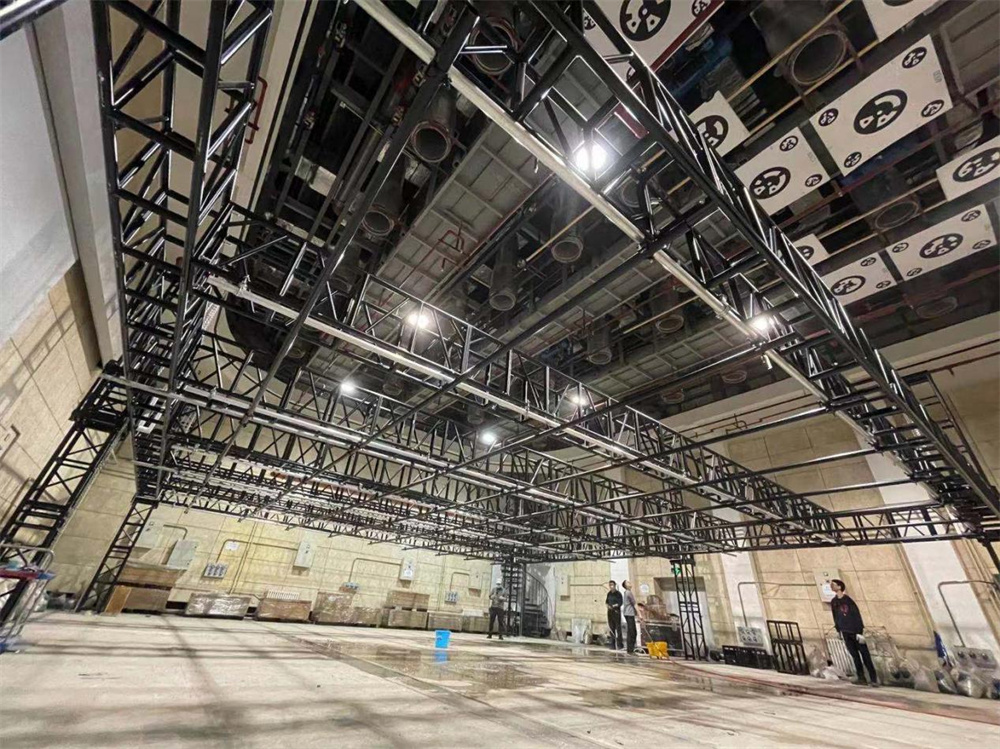
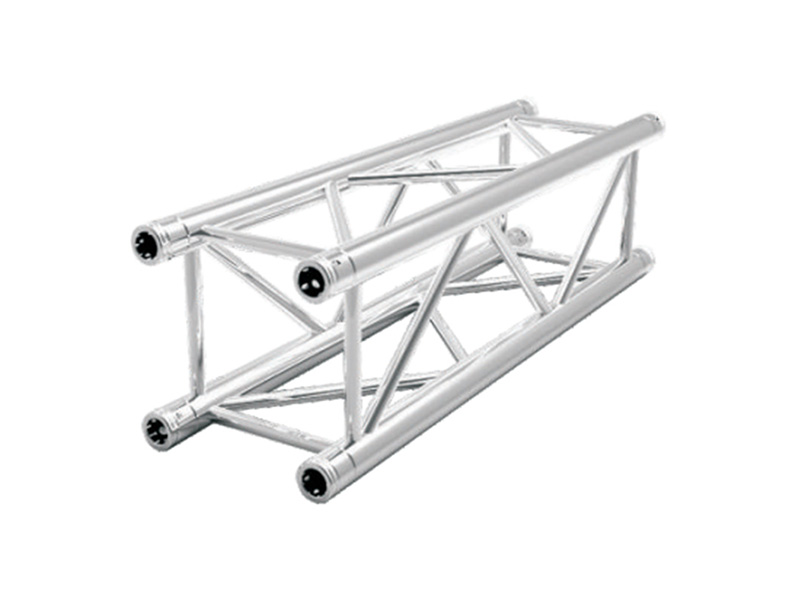
A truss system is a lightweight aluminum framework commonly used for supporting lighting, LED screens, and sound equipment. It is widely used in concerts, exhibitions, and temporary event structures due to its flexibility and ease of installation.
Trusses are typically available in different sizes such as 290mm, 400mm, and 600mm, allowing them to adapt to various load requirements and design needs.
What Is a Layher (Ringlock) System?
A Layher system, also known as a ringlock scaffolding system, is a heavy-duty modular structure made of steel. It is designed for high load capacity and maximum stability, making it ideal for large-scale stages and complex event setups.
This system is often used when the structure needs to support heavy LED screens, large crowds, or multi-level staging.
Key Differences Between Truss and Layher Systems
Load Capacity
Layher systems offer significantly higher load capacity compared to trusses. For concerts with large LED screens or heavy equipment, Layher is often the safer choice.
Truss systems, on the other hand, are sufficient for lighting rigs, smaller stages, and medium-sized events.
Weight and Material
Trusses are made of aluminum, making them lightweight and easy to transport and assemble. Layher systems are made of steel, which makes them heavier but more robust.
Installation and Efficiency
Truss systems are quicker to install and dismantle, which is ideal for fast-paced event setups. Layher systems require more time and labor but provide stronger structural support.
Flexibility and Design
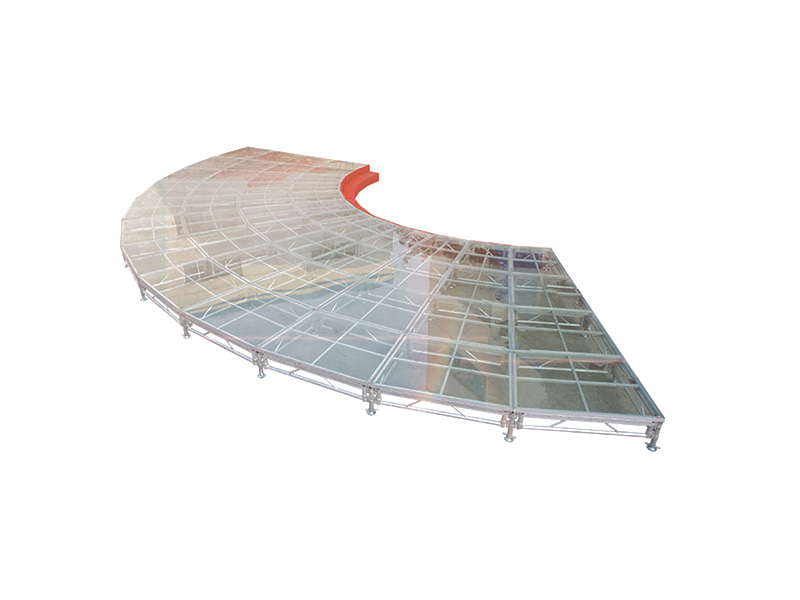
Trusses offer more flexibility for creative designs, including curved structures, arches, and complex lighting setups. Layher systems are more functional and structural, focusing on stability rather than design.
Cost Consideration
Truss systems are generally more cost-effective, especially for small to medium events. Layher systems involve higher costs due to material, transportation, and labor, but they provide long-term reliability for large-scale productions.
Which One Should You Choose for a Concert?
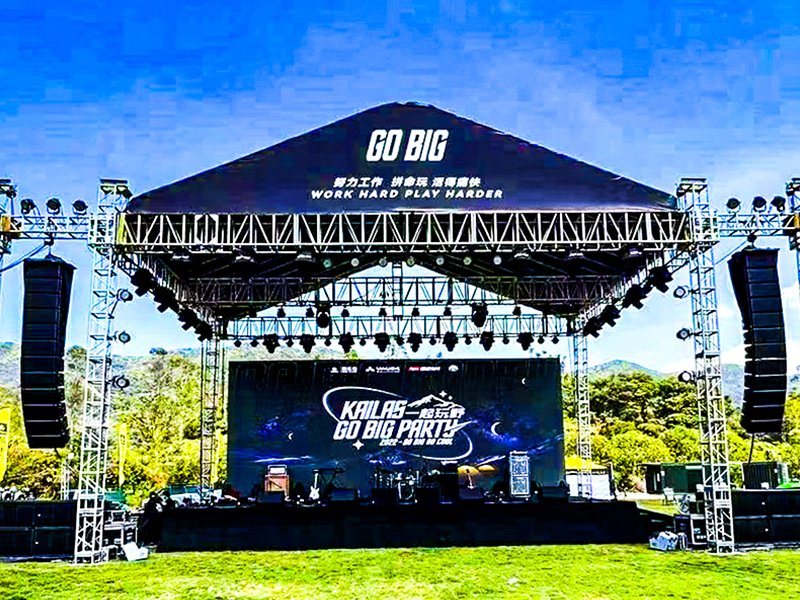
For small to medium-sized concerts, truss systems are usually the best choice due to their flexibility, lower cost, and faster installation.
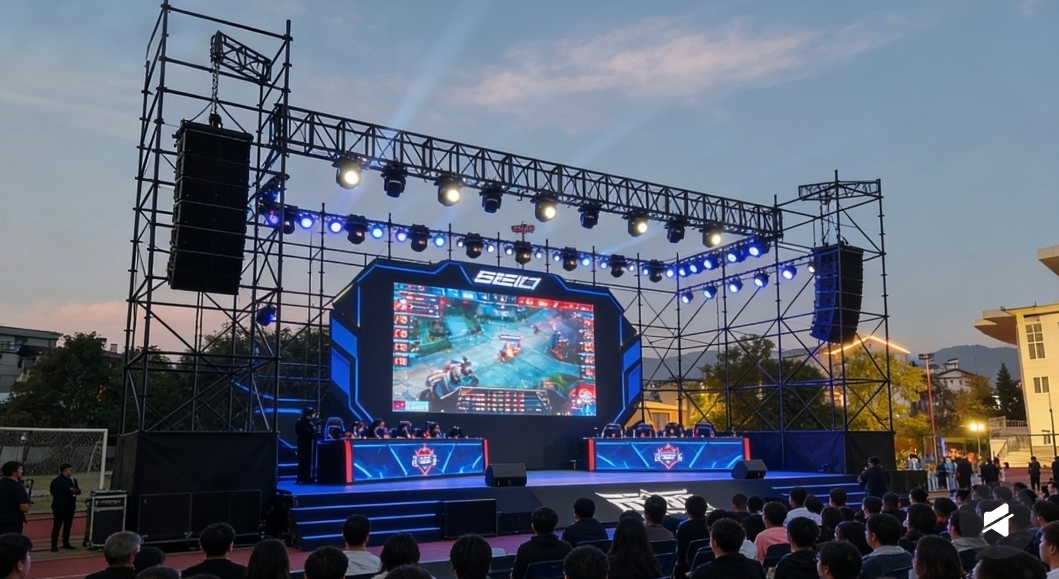
For large-scale concerts, especially those involving heavy LED screens, complex staging, or higher safety requirements, Layher systems are the preferred solution.
In many cases, event organizers choose to combine both systems—using Layher for the main stage structure and trusses for lighting and visual elements. This hybrid approach balances safety, performance, and cost.
Conclusion
Both truss and Layher systems play an important role in concert production. The right choice depends on your project requirements, budget, and safety expectations.
If you are unsure which system is best for your event, working with an experienced supplier can help you find the most efficient and reliable solution.
Get Professional Support
We provide both truss systems and Layher stage solutions for concerts and large-scale events. Our team can help you design a safe, efficient, and cost-effective setup tailored to your needs.
Contact us today to discuss your project and get a customized quotation.

Hi! Welcome back.
How are you doing?